

On most local islands in the Maldives, late afternoon brings a quiet shift in rhythm. The heat begins to ease, school finishes for the day, and people start making their way to small cafés and corner shops. This is hedhikaa hour — a daily ritual built around savoury snacks and sweet, strong tea.
Hedhikaa refers to a variety of traditional Maldivian “short eats,” usually homemade or prepared fresh each day. Glass counters fill with golden pastries, fish-filled rolls, fritters, and bite-sized savoury treats. Among the most common are bajiya (a pastry stuffed with tuna, coconut, and onion), gulha (deep-fried dough balls filled with spiced tuna), and keemia (thin pastry rolls filled with savoury mixtures). They are simple, filling, and deeply familiar to island life.
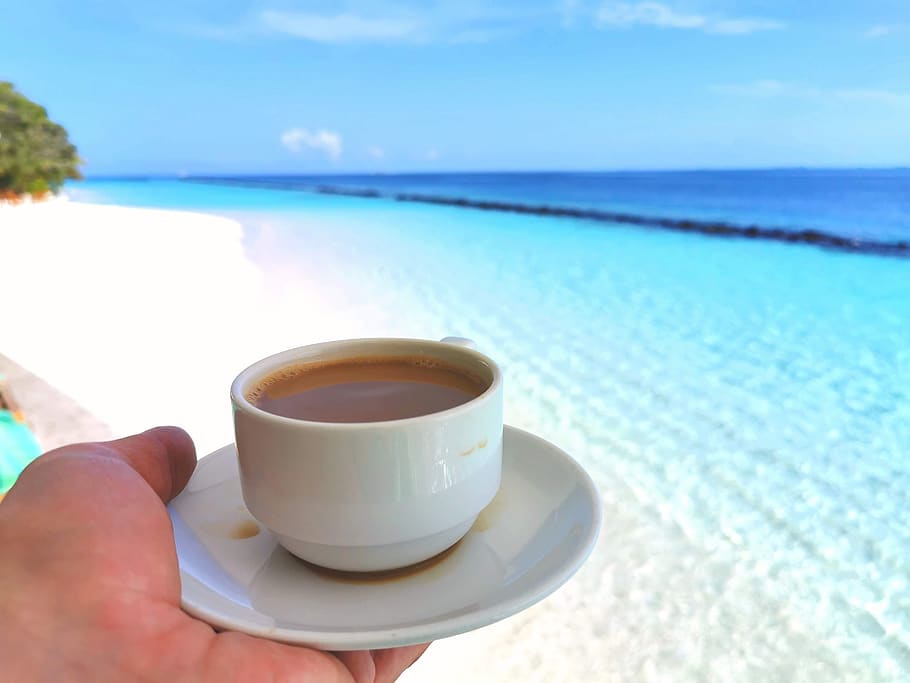
Tea is an essential part of the ritual. It is often served black and sweet, sometimes with condensed milk. The combination of salty snacks and sugary tea reflects influences from South Asia while remaining distinctly local in flavour and preparation.
More than just food, hedhikaa hour is social. People gather to talk about the day’s events, discuss fishing conditions, local news, or family matters. Teenagers meet friends after school. Elders sit together outside, watching the harbour. It is an informal pause between the workday and evening routines.
For visitors staying on local islands, joining hedhikaa hour offers insight into everyday life — a simple but meaningful part of how communities connect and unwind at the end of the day.