

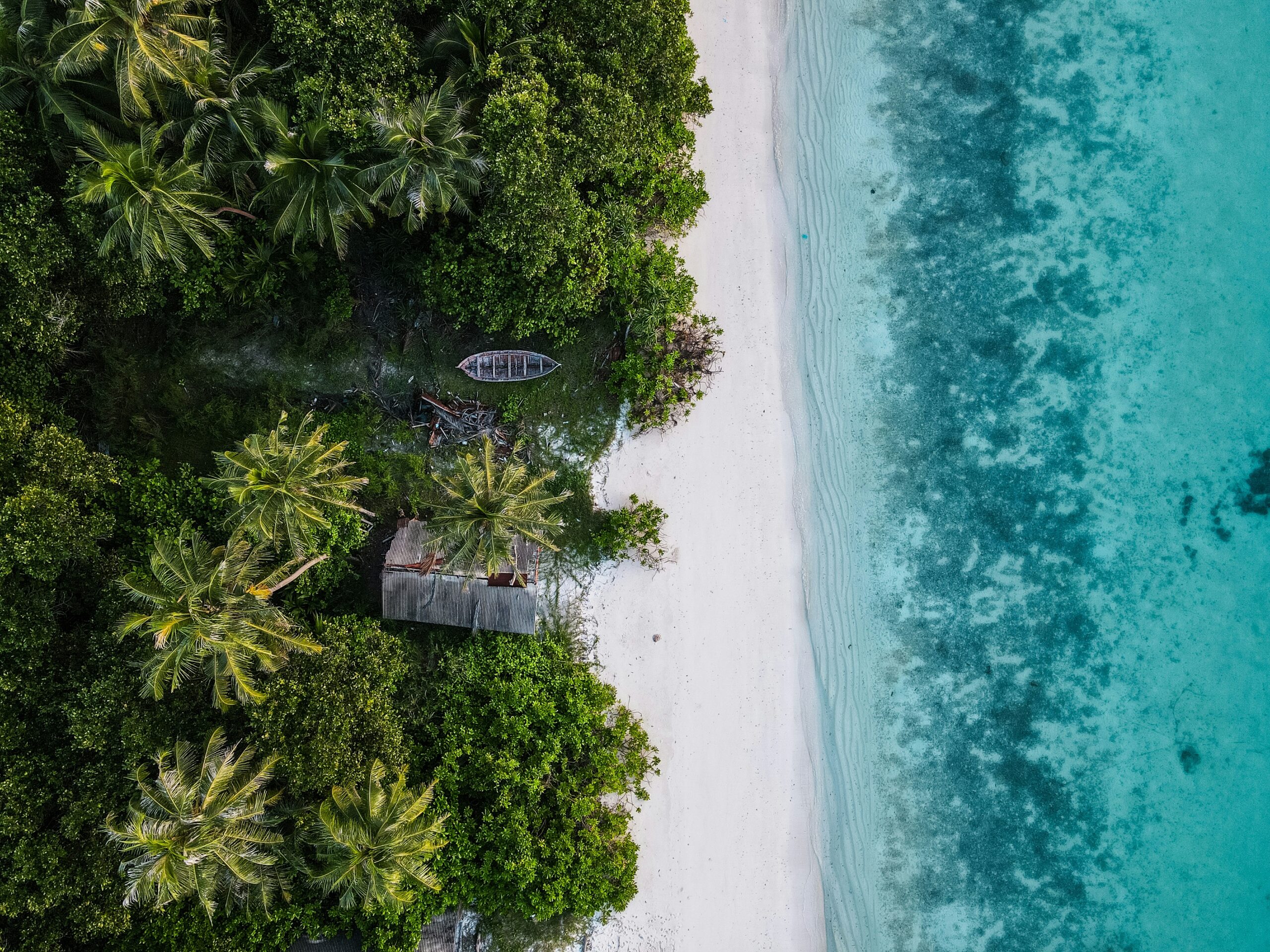
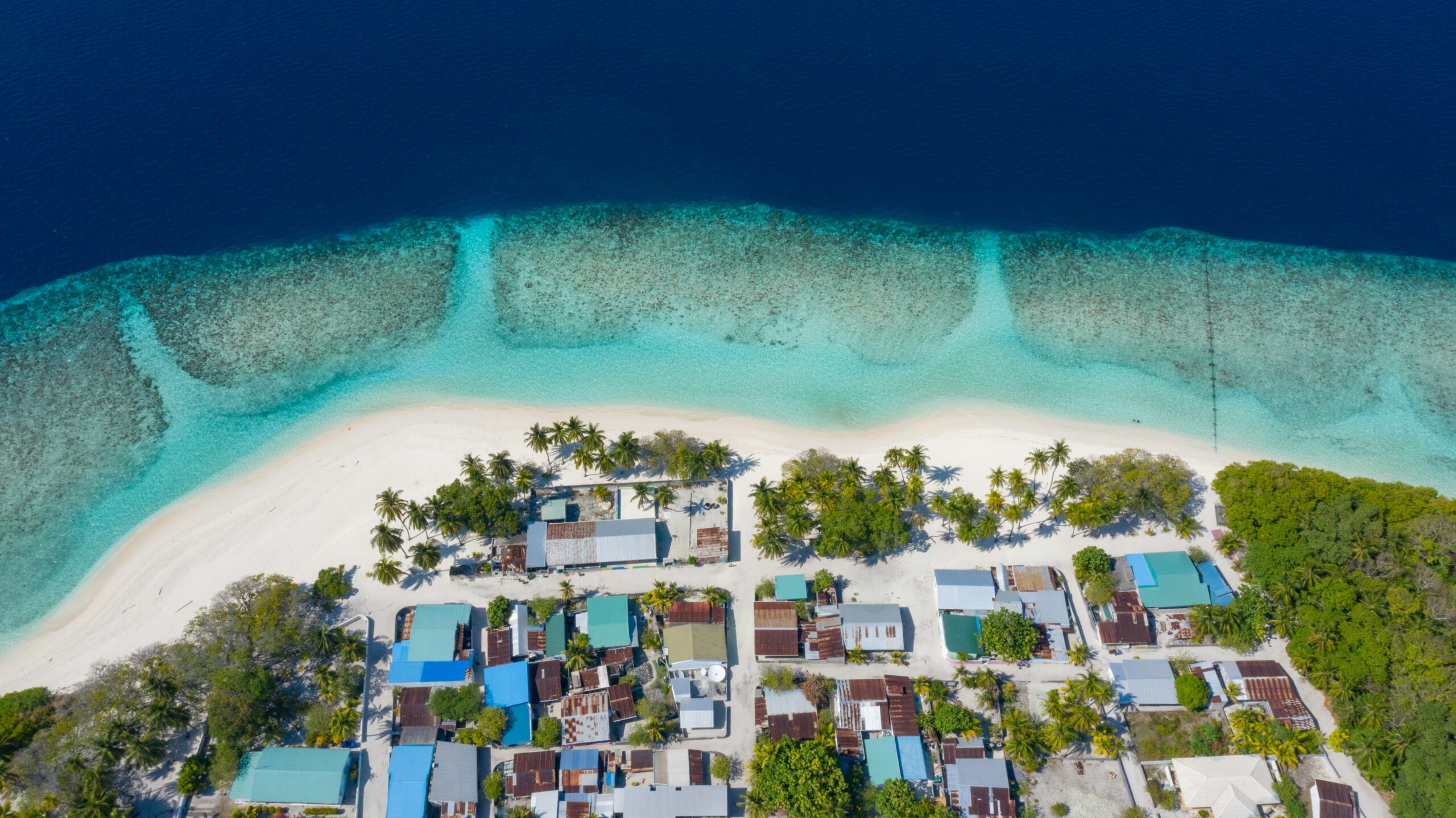
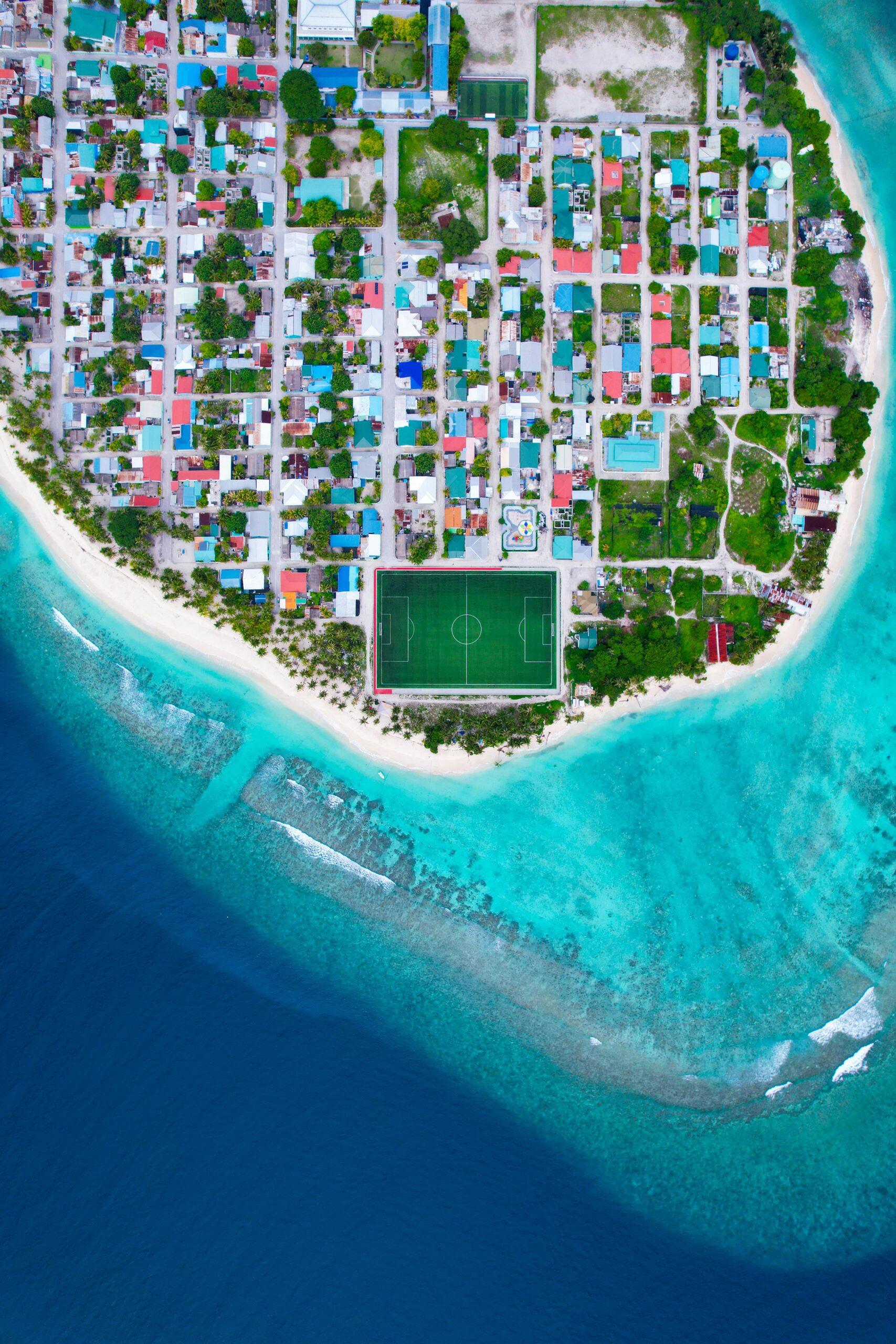
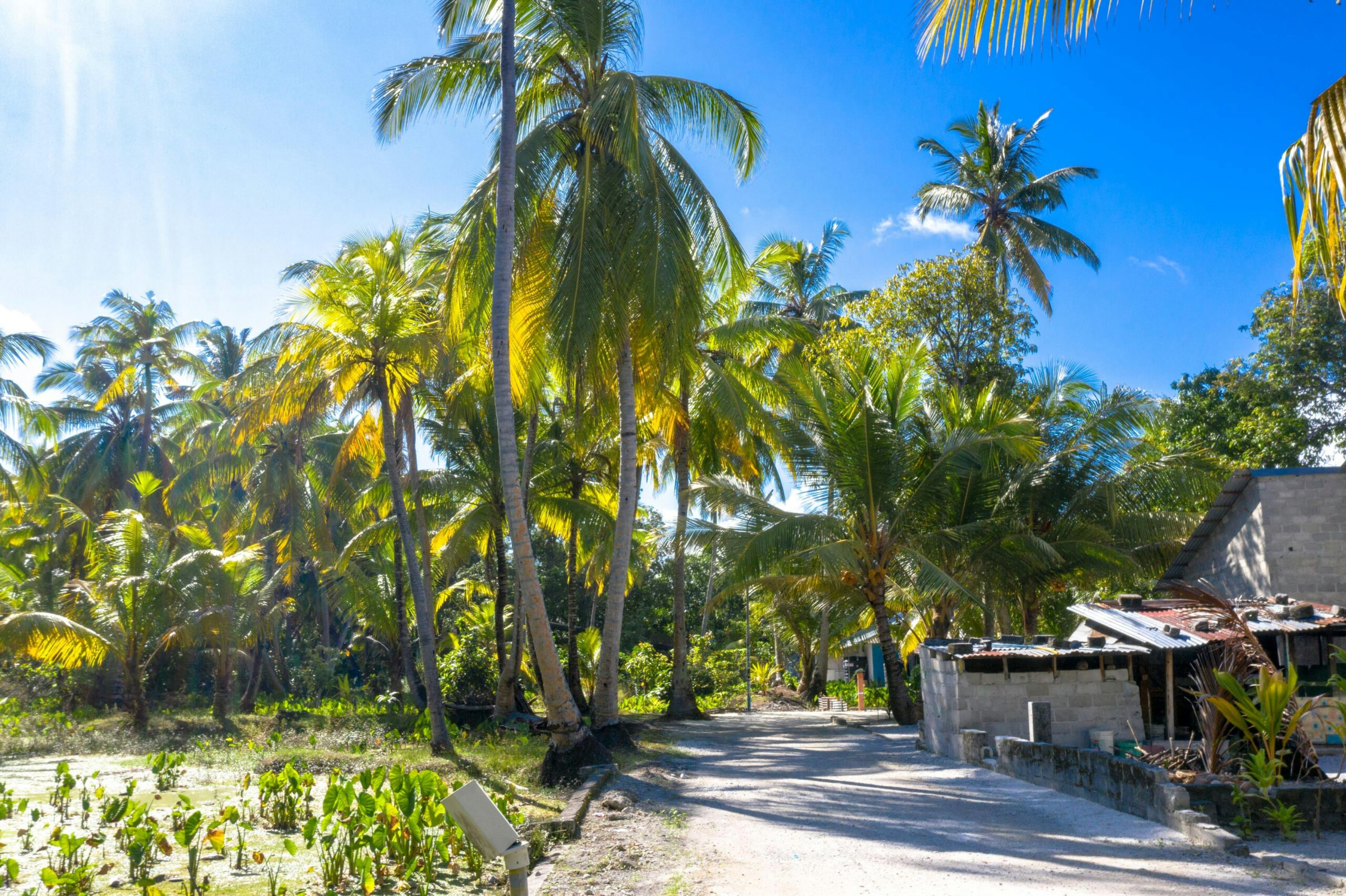
In the Maldives, land rises gently from the sea — on average, just over one metre above sea level. There are no hills or mountains, only wide horizons and open sky. From almost anywhere on an island, you can see the ocean.
Living at this elevation shapes a quiet awareness of nature’s rhythms. Tides, winds, and seasonal changes are part of everyday conversation. The direction of the breeze matters. The movement of sand along a shoreline is noticed. The sea is not distant scenery; it is a constant presence that influences how islands are built, how harbours are designed, and how communities plan for the future.
Island life moves in coordination with these natural patterns. Homes are constructed thoughtfully. Shorelines are maintained. Sea walls, vegetation, and reef systems all play a role in protecting the land. Over generations, Maldivians have learned to adapt — adjusting infrastructure, strengthening coastal areas, and working with the environment rather than against it.
Space is used efficiently. On many islands, you can walk from one side to the other in minutes, and this closeness fosters both practicality and community. Living at one metre above sea level requires attentiveness — but it also cultivates resilience, cooperation, and respect for the ocean’s power.
For visitors, the flat landscape creates uninterrupted views and remarkable sunsets. For residents, it represents a long-standing relationship with the sea — one built not on fear, but on understanding. Life here unfolds in rhythm with the water, steady and continuous, shaped by tides that have moved across these atolls for centuries.