

On a small island, the idea of “fresh” is not a marketing term. It is a matter of timing.
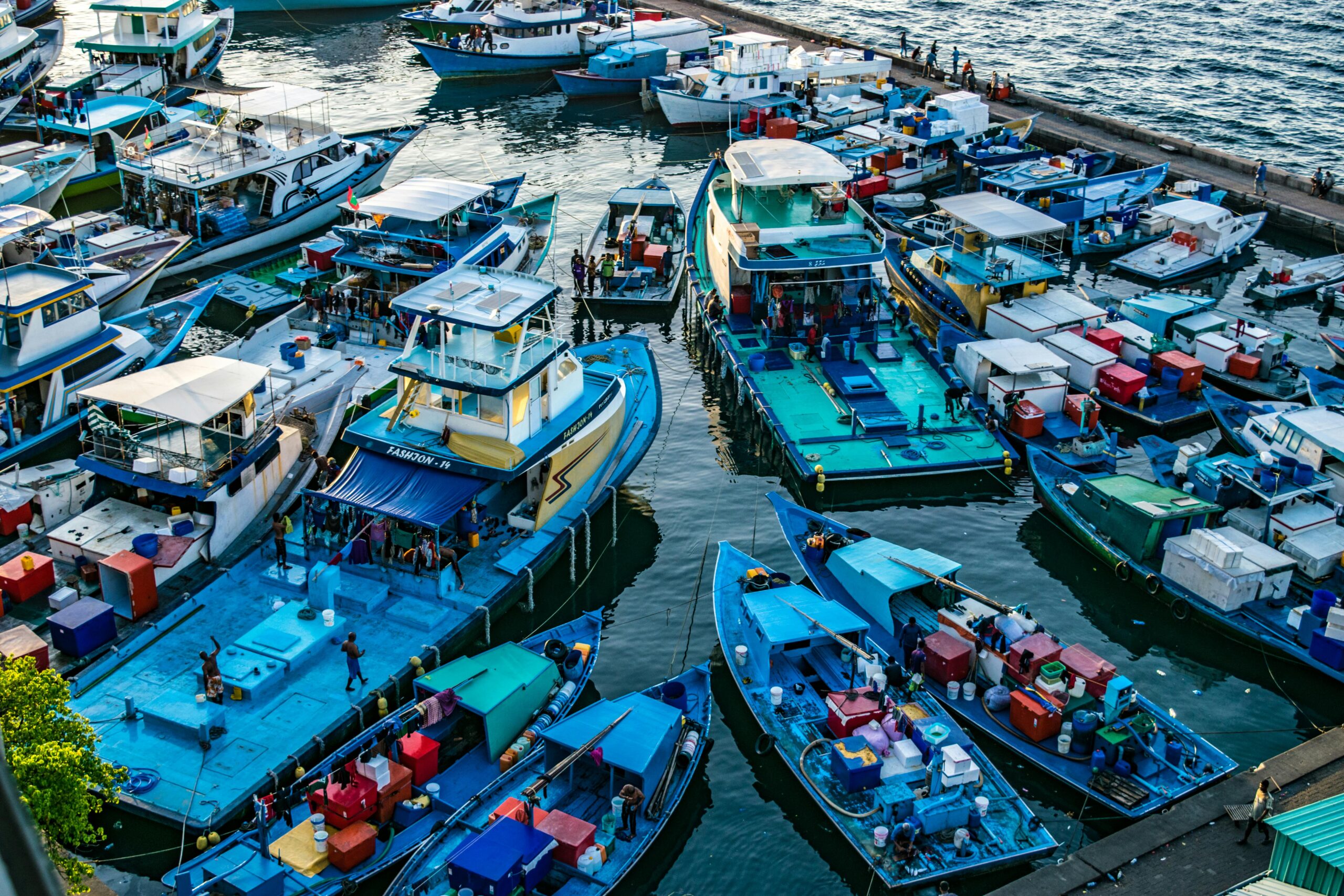
In the Maldives, much of the food begins its journey only hours before it reaches the table. Tuna — the backbone of Maldivian cuisine — is often caught the same day it is eaten. Early in the morning, fishing boats return to the harbour, and by afternoon the catch is cleaned, portioned, and prepared in homes and cafés. There is little distance between sea and kitchen.
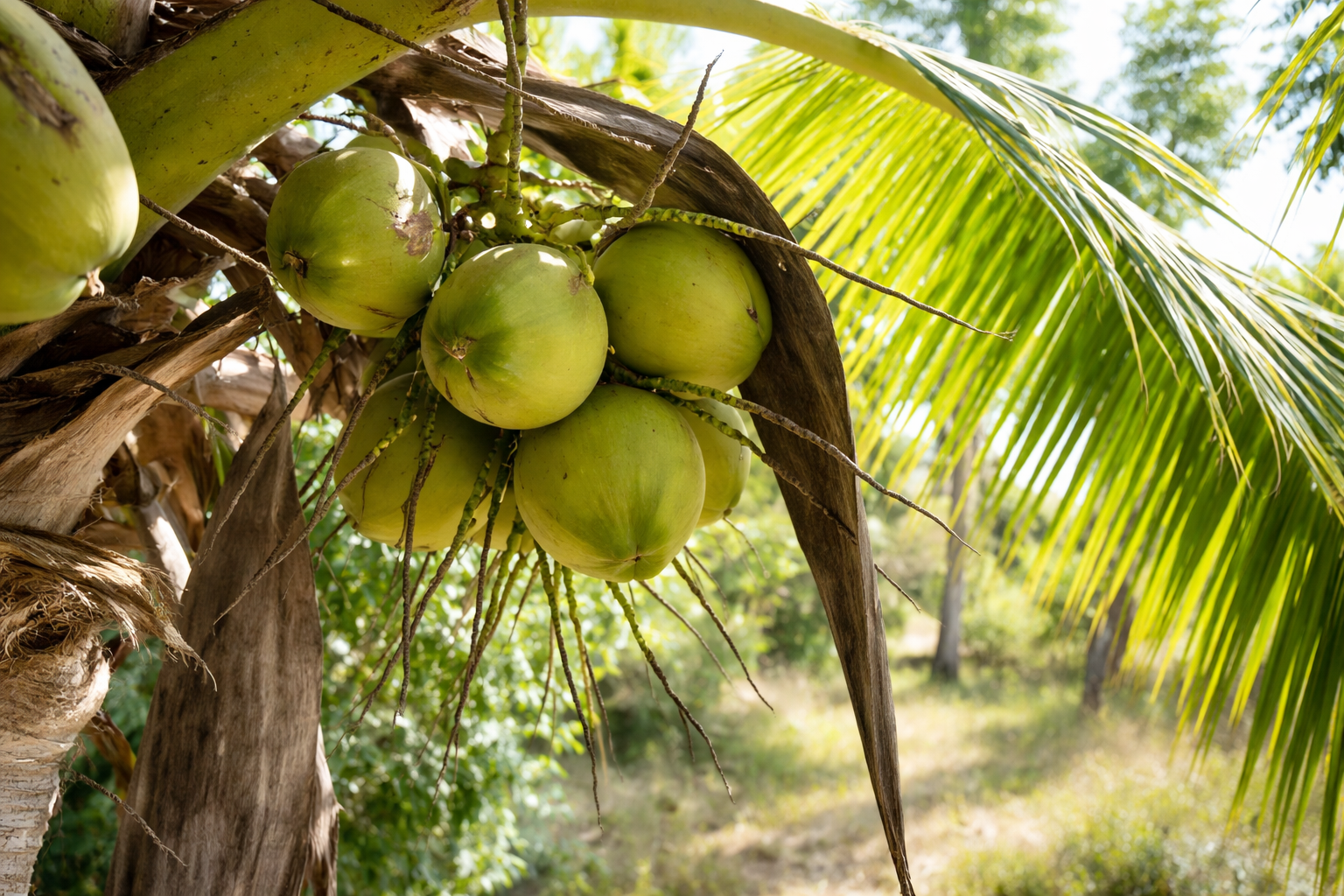
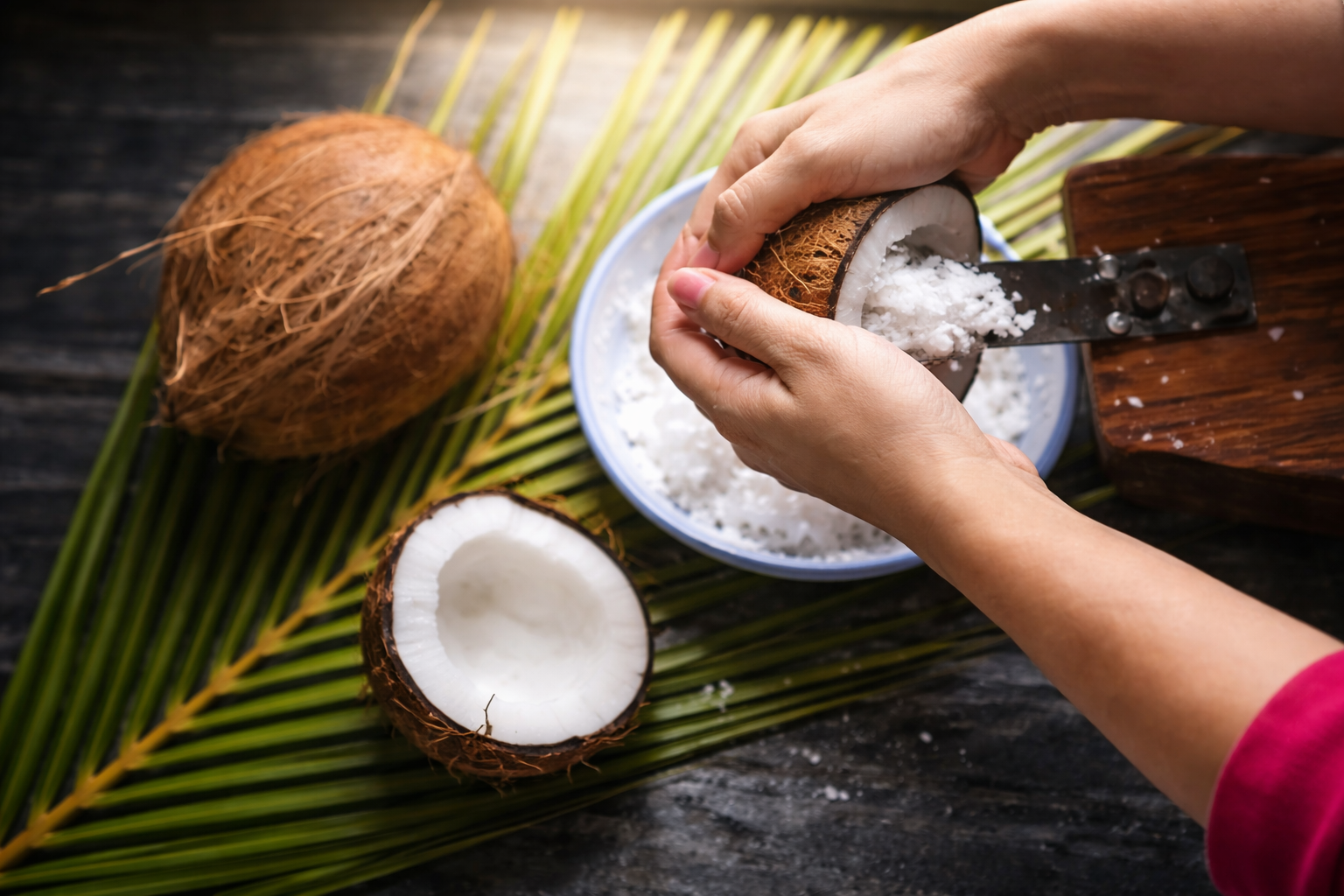
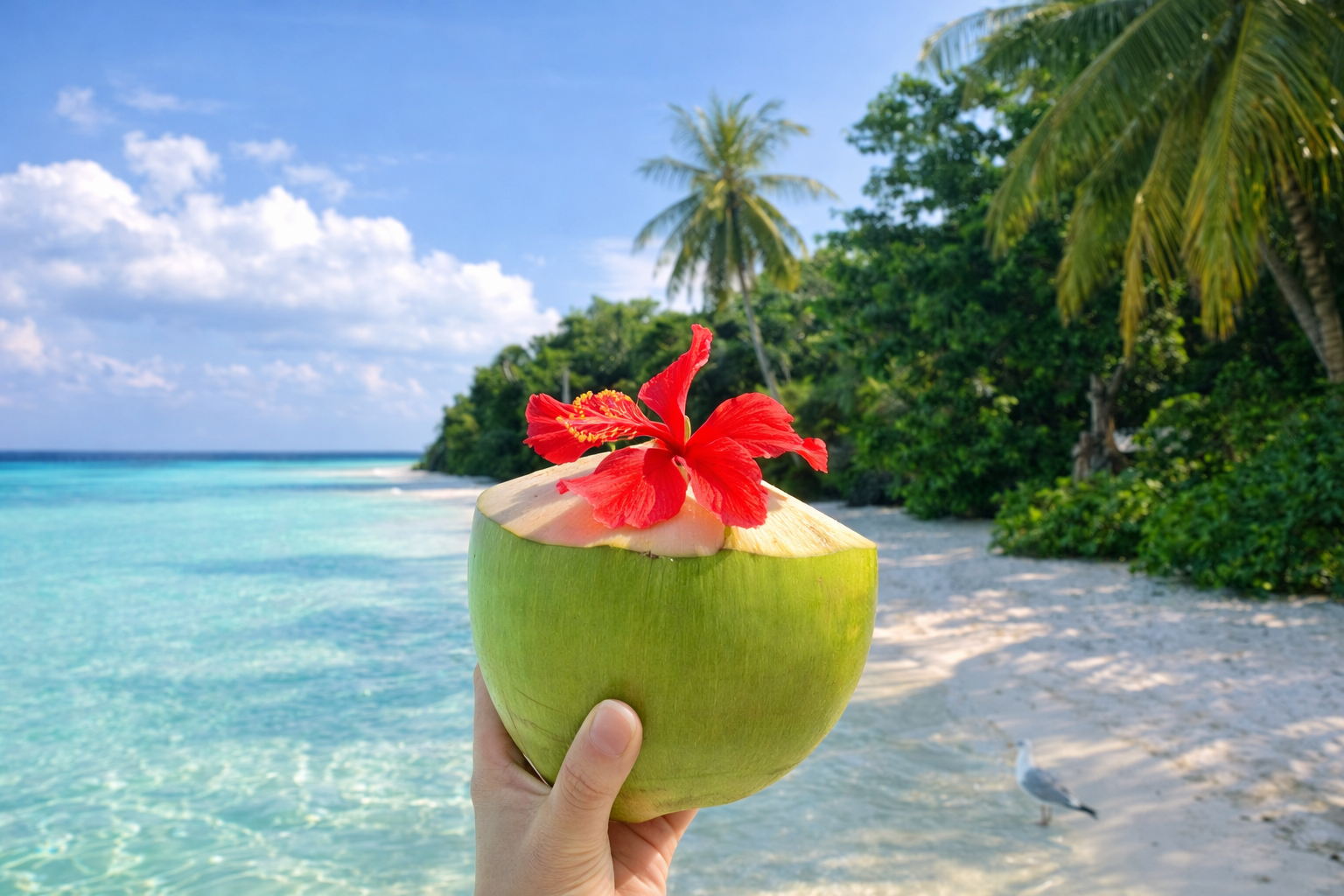
Coconut is another constant. It is grated by hand, pressed into milk, or shaved into curries and breakfasts. Unlike imported ingredients that arrive by cargo boat or flight, coconut palms grow on the islands themselves, making it one of the most accessible and reliable sources of flavour and nutrition.
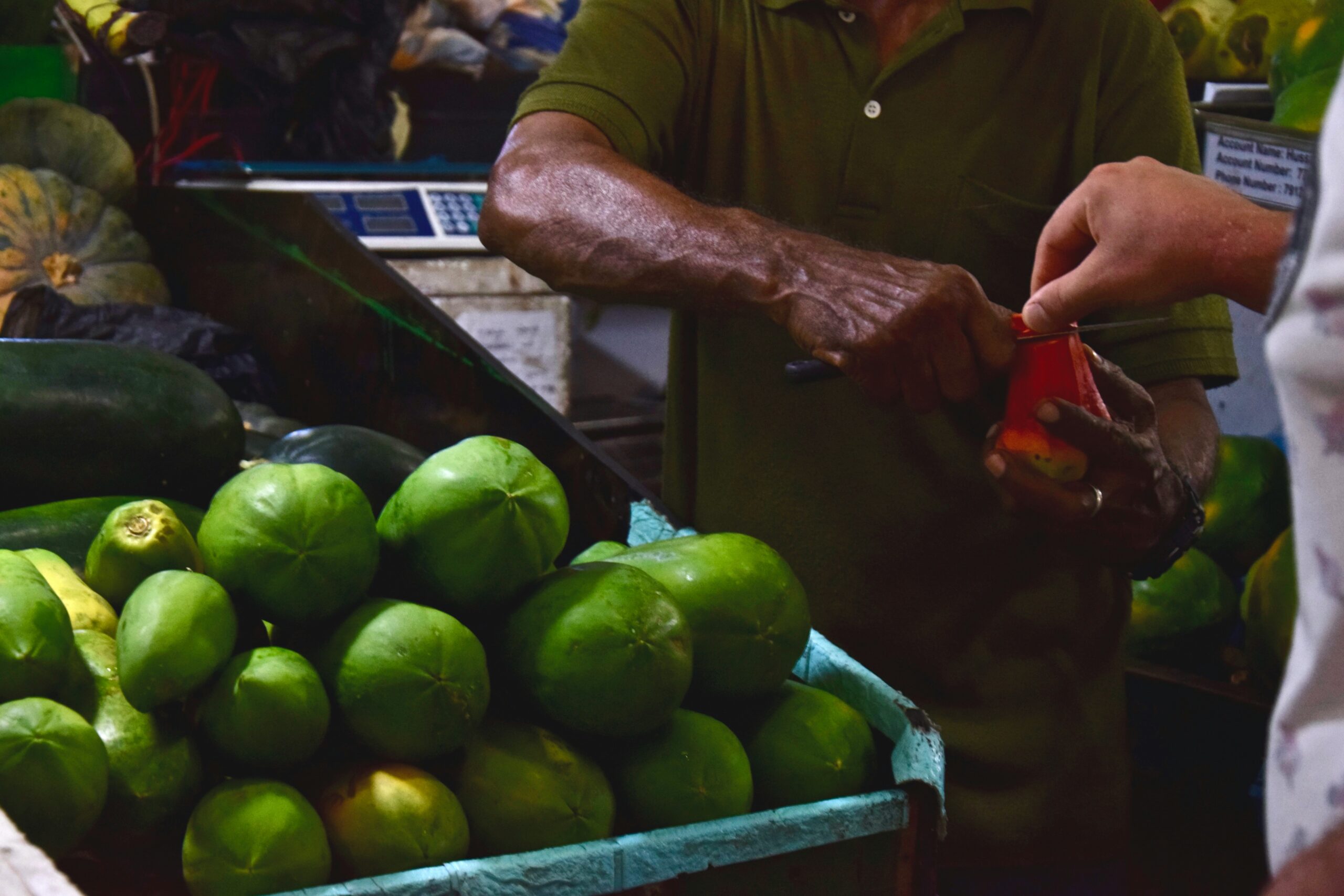
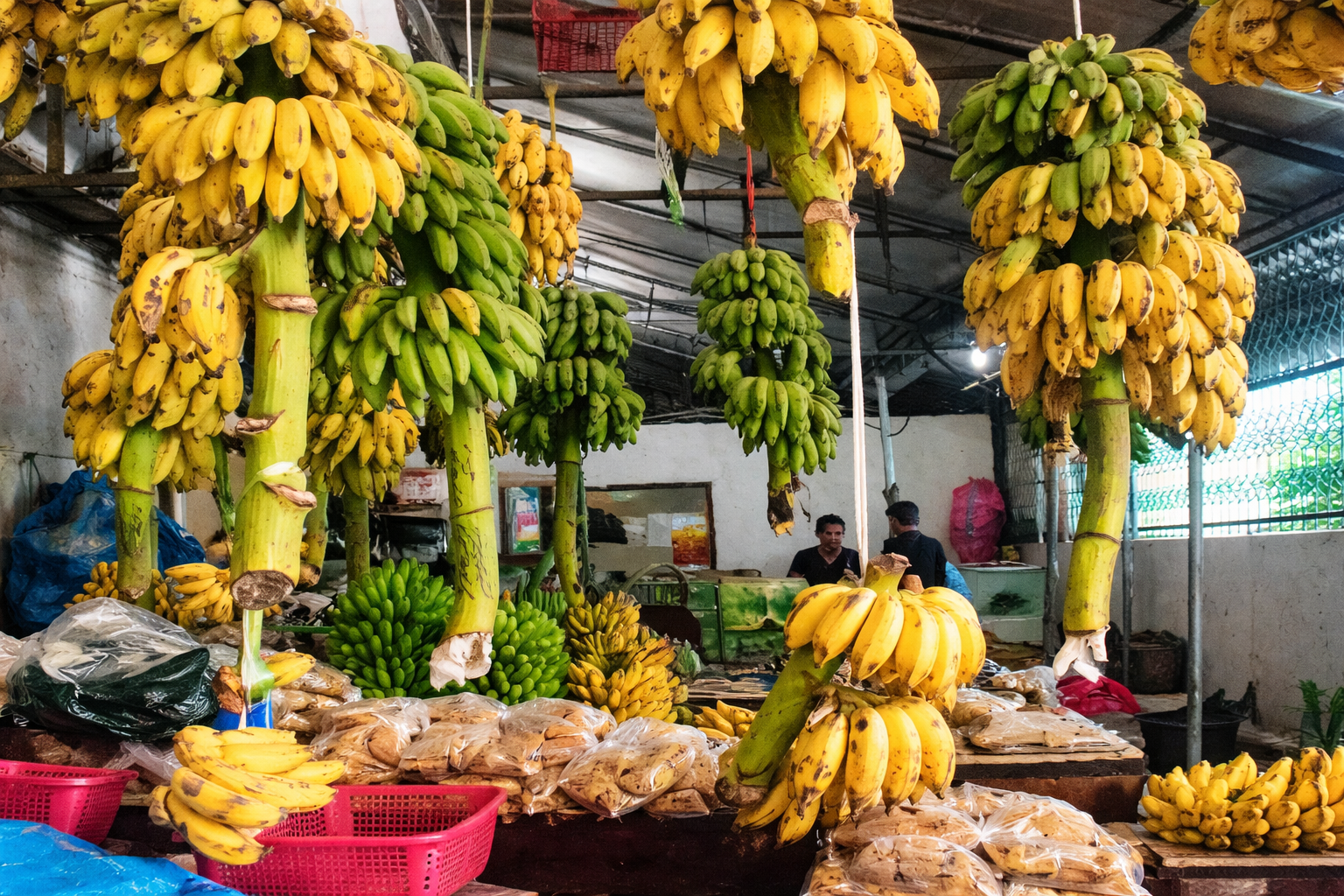
Freshness on an island also means seasonality and limitation. Not everything is always available. Certain fruits arrive by supply boat, and vegetable selection can depend on weather, shipping schedules, and local harvests. This creates a practical approach to cooking — meals are built around what is present, not around excess choice.
In many households, fish curries are prepared in the late afternoon, rice is steamed shortly before dinner, and snacks for hedhikaa hour are fried the same day they are sold. Ingredients are handled simply, without heavy processing. The result is food that tastes direct and uncomplicated.
On an island, “fresh” is less about presentation and more about proximity — proximity to the ocean, to the garden, and to the kitchen where it is prepared. It reflects a food culture shaped by geography, where supply chains are short and the sea remains the primary source.