

For many first-time visitors, the Maldives feels remote — scattered islands in the middle of the Indian Ocean, surrounded by open water. On a map, it looks far away. In reality, getting here is far more straightforward than most people expect.
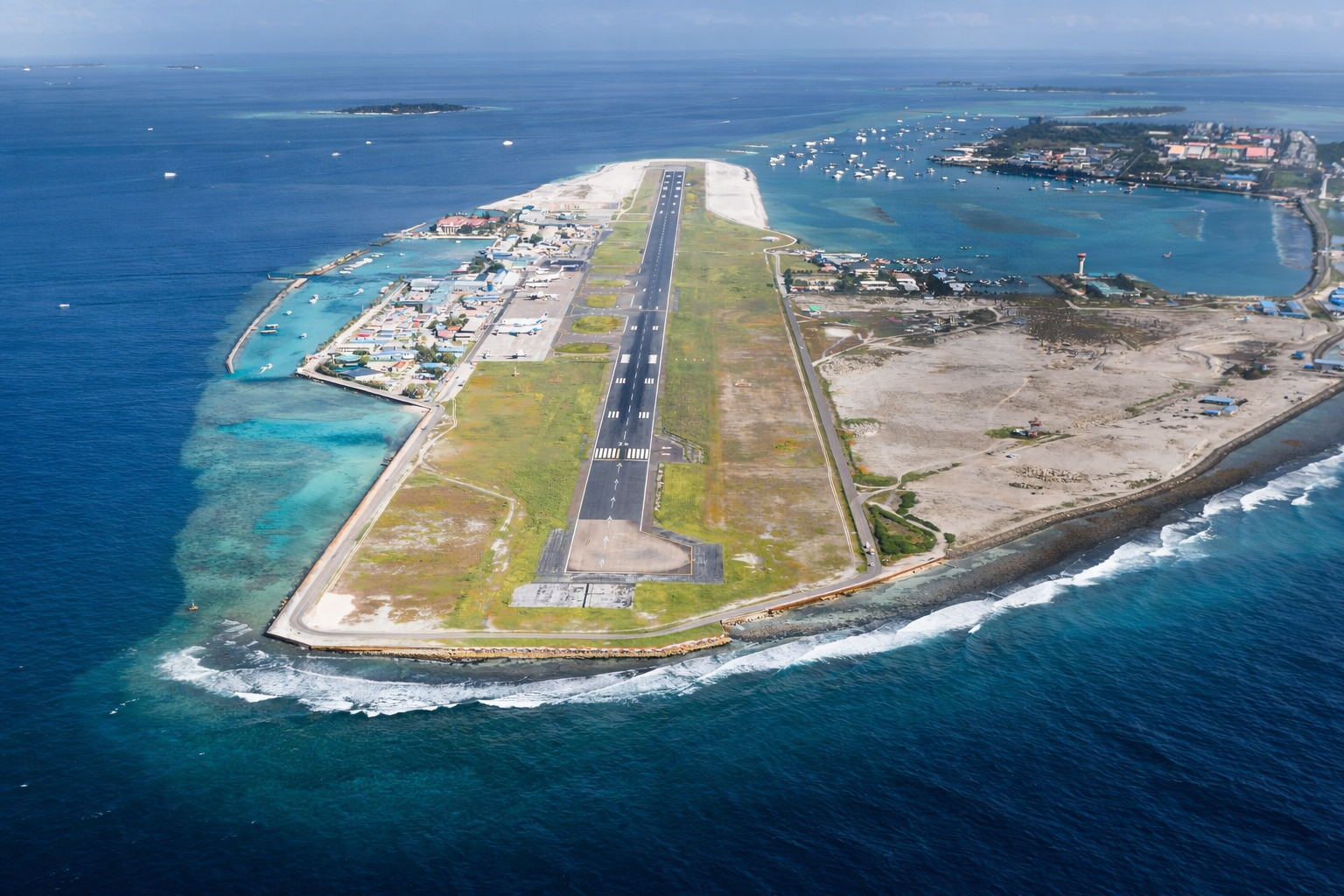
International travellers arrive at Velana International Airport (Malé), which is well connected to major hubs in Asia, the Middle East, and Europe. From there, the journey continues seamlessly by domestic flight, seaplane, speedboat, or scheduled ferry, depending on the island you are visiting.
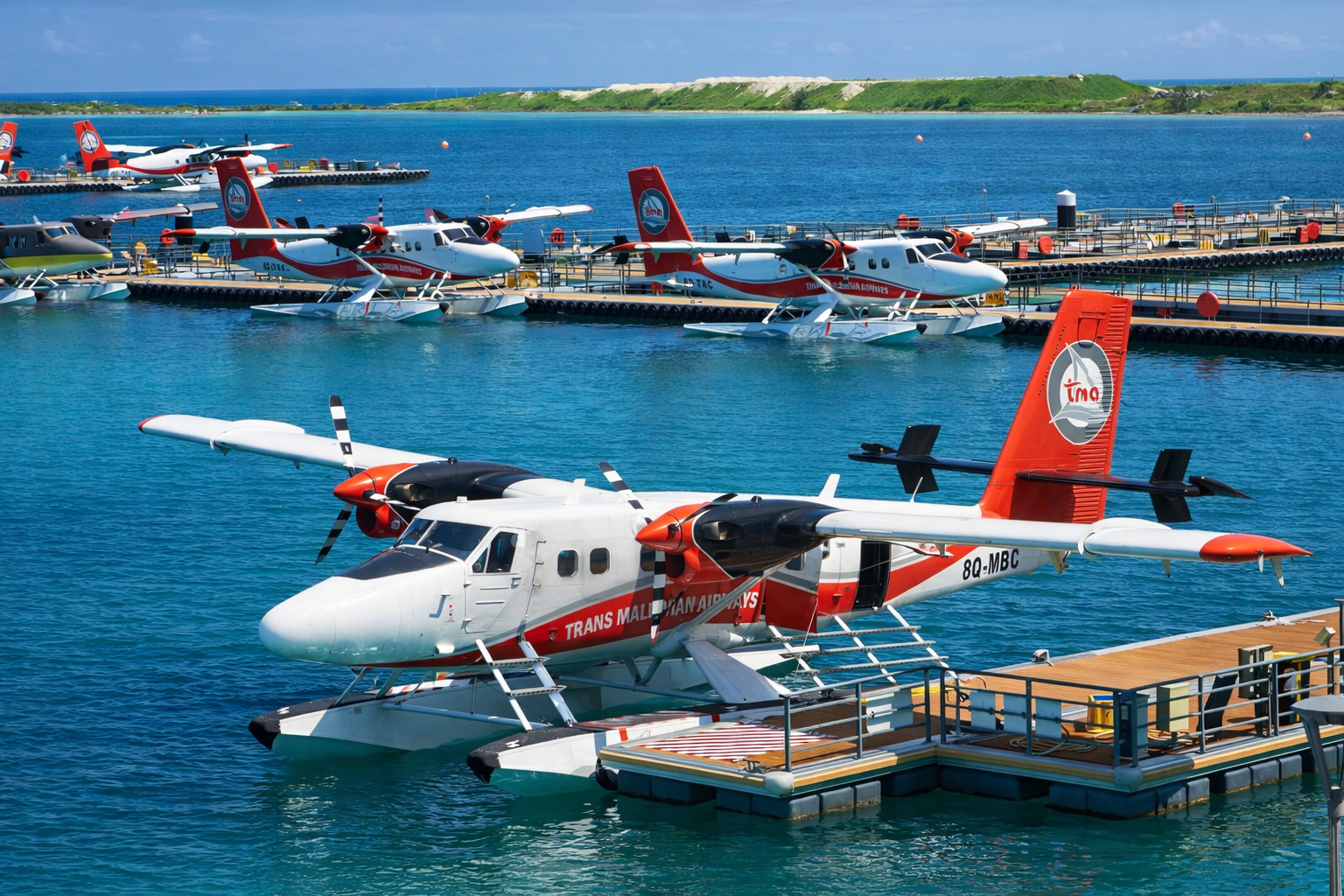
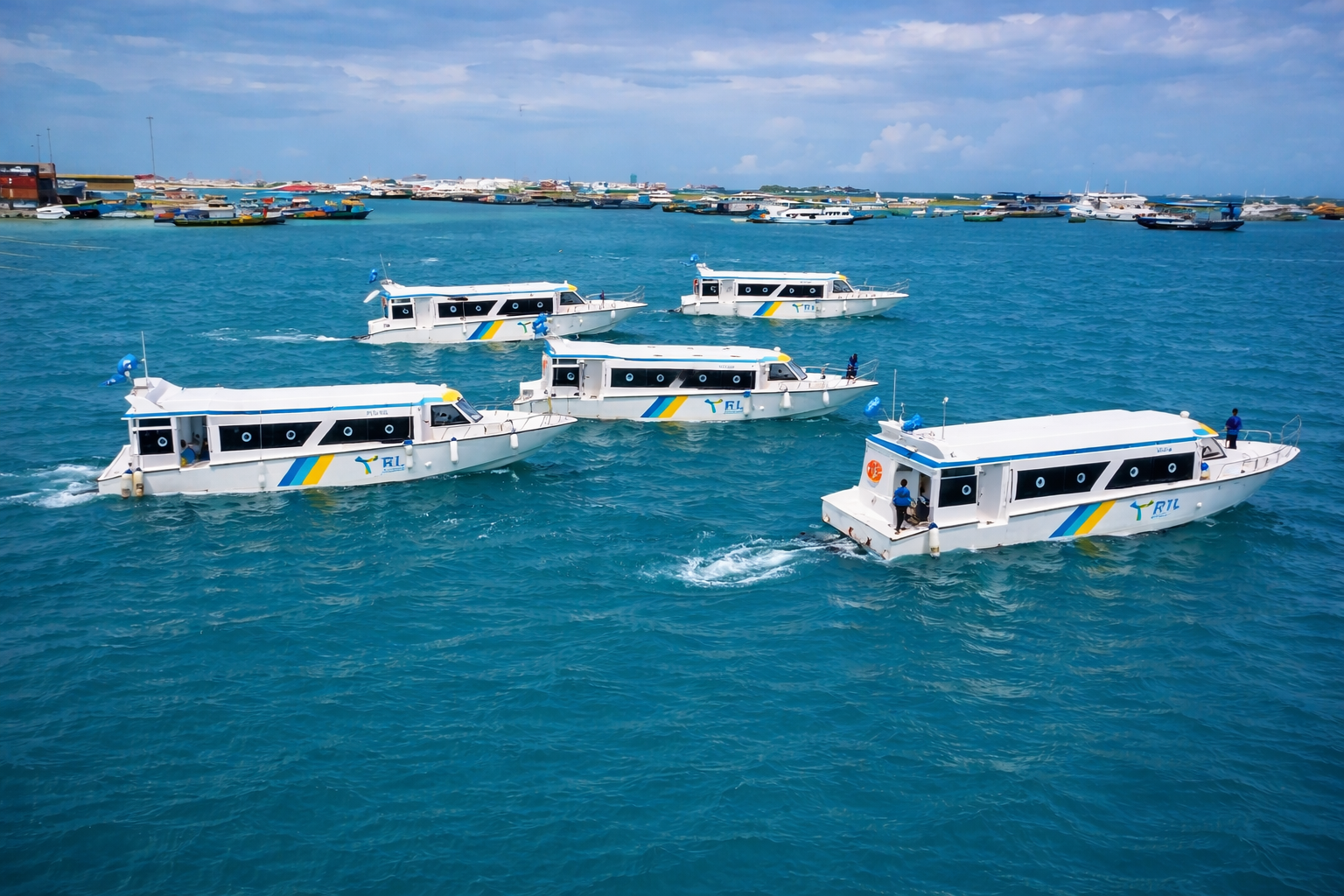
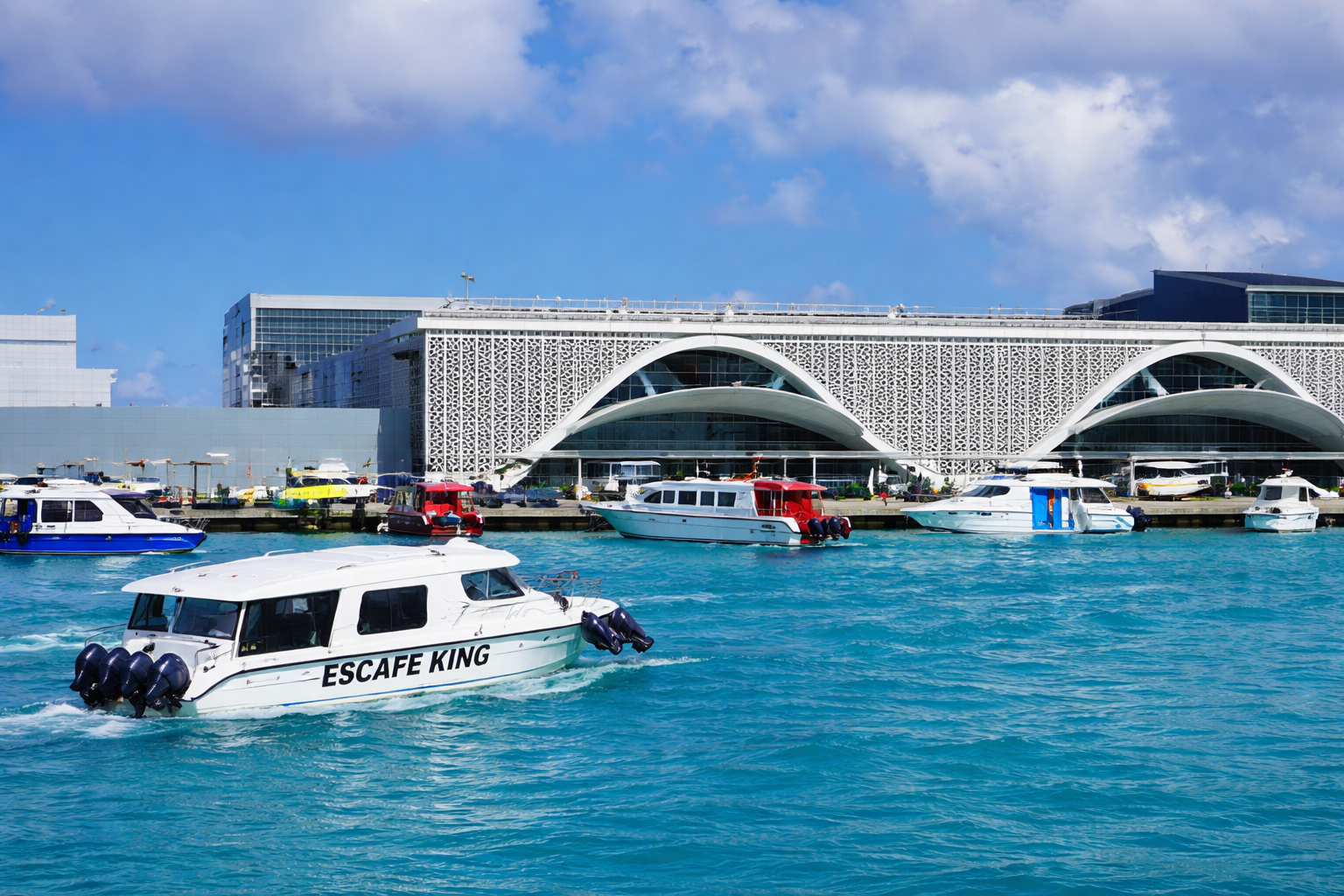
The Maldives has an extensive domestic airport network across multiple atolls, allowing travellers to reach northern and southern regions quickly. These short internal flights often take under an hour and operate daily. Seaplanes provide direct lagoon landings for resorts, while speedboats connect nearby islands efficiently — especially in the central atolls. The growing RTL (Raajje Transport Link) ferry system has also expanded access between inhabited islands with scheduled, affordable routes.
Because the country is designed around sea and air transport, connections are coordinated and well established. Transfers are part of the normal travel flow, not an afterthought. In many cases, you can land internationally and be on your island the same day without complication.
What seems distant geographically is organised practically. The Maldives may be a chain of small islands, but the infrastructure linking them is structured, reliable, and designed for movement. Getting here is less about navigating complexity and more about transitioning smoothly from runway to reef.